Sustainable Furniture: How to Choose Eco-Friendly Pieces for a Greener Home
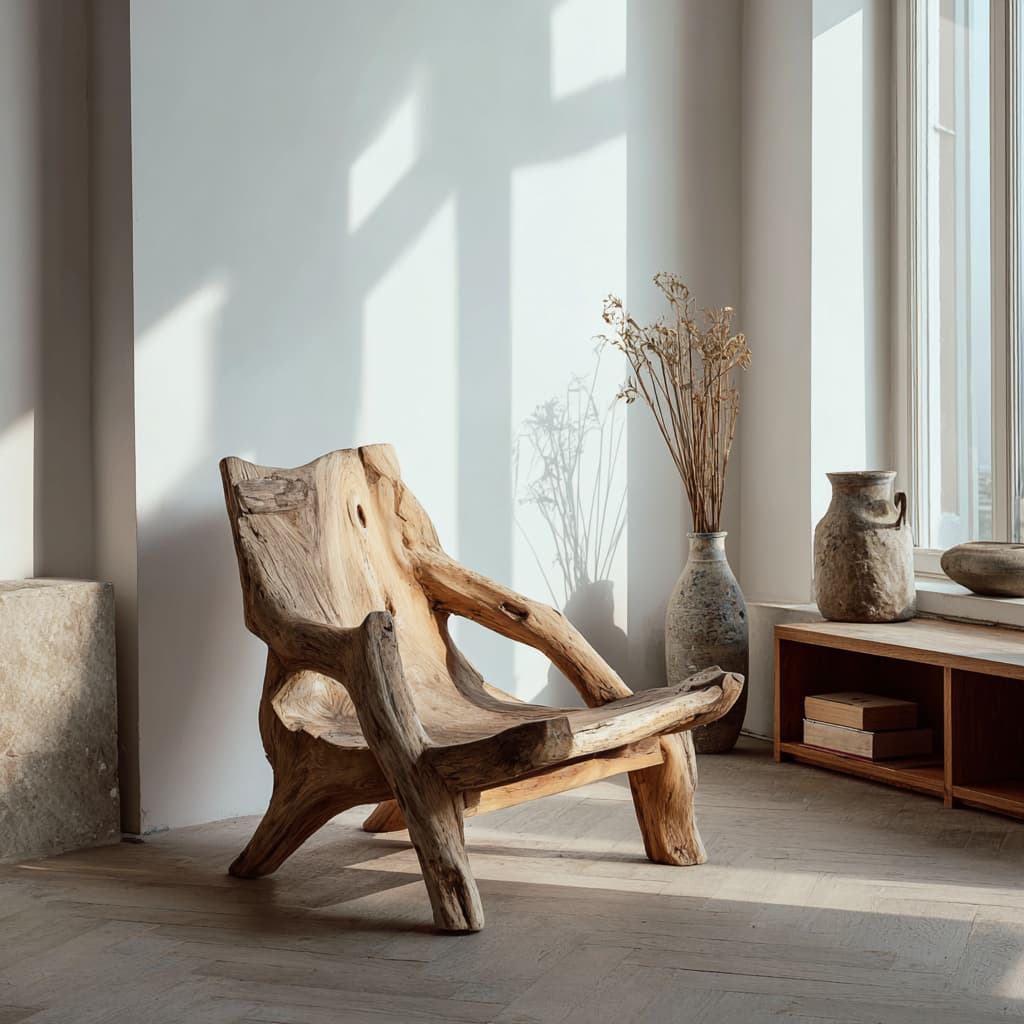
Sustainability has moved far beyond a passing trend and become an essential part of how we think about our homes. Choosing furniture today is not only about color, texture, or comfort. It is also a reflection of our environmental awareness, the way we use resources, and the values we bring into our living spaces. Selecting sustainable furniture is one of the most effective ways to make everyday life more responsible while keeping a sense of style and warmth at home.
Understanding the Meaning of Sustainable Furniture
Sustainable furniture is designed with the planet in mind from the very first step of its creation. Every stage – sourcing, production, use, and disposal – aims to reduce environmental harm. Eco-friendly furniture relies on renewable, recyclable, or reclaimed materials, efficient energy use, non-toxic finishes, and fair working conditions.
The goal is longevity. When furniture lasts for years, fewer resources are needed to replace it, and waste is drastically reduced. The result is an object that combines utility, aesthetics, and respect for the environment.
Focusing on Responsible Materials
Wood is one of the most beautiful and versatile materials, yet its sustainability depends on where and how it is harvested. Certified wood from responsibly managed forests is the safest option. Look for the FSC or PEFC labels, which guarantee that the materials come from sources that protect biodiversity and reforestation.
Reclaimed and recycled wood are equally valuable. Tables built from old floorboards or boats carry texture and depth that factory-new furniture cannot imitate. Every mark is a trace of history, turning a functional object into something meaningful.
Bamboo is another excellent choice. It regenerates quickly, grows without pesticides, and is naturally strong and light. Its elegant finish fits both minimalist and natural interiors, making it one of the most sustainable resources available.
Choosing Safe and Natural Textiles
For sofas, cushions, and chairs, pay attention to the fabrics. Many industrial textiles such as polyester or acrylic are made from petroleum-based materials and contribute to plastic pollution. Natural fabrics, including organic cotton, hemp, jute, or linen, are more sustainable and comfortable.
Ethically sourced wool can also be a great option because it lasts for years, resists wear, and regulates temperature naturally. Some modern producers experiment with innovative recycled textiles made from ocean waste or plastic bottles, transforming pollution into design. These fabrics demonstrate that creativity and sustainability can go hand in hand.
Non-Toxic Finishes for Healthier Interiors
Many people love the smell of new furniture, unaware that it often comes from chemical coatings releasing harmful compounds into the air. To keep your home healthy, it is better to choose products finished with natural oils, plant-based waxes, or water-based varnishes.
These eco-friendly alternatives enhance the natural beauty of wood without releasing toxins into your indoor space. When in doubt, ask the seller or manufacturer about their finishing methods. Furniture should improve the atmosphere in your home, not compromise it.
Buying Local and Supporting Craftsmanship
Sustainability is also about distance and production ethics. Furniture made by local artisans has a smaller carbon footprint than mass-produced imports. Supporting local makers keeps skills alive, strengthens small economies, and ensures better quality control.
Local workshops often produce smaller batches and use natural materials, focusing on craftsmanship instead of volume. Their pieces are made to last for generations, becoming heirlooms rather than disposable décor. The longer a piece remains useful and loved, the more sustainable it becomes.
Rediscovering Secondhand and Vintage Furniture
Sustainability does not always mean buying new. Vintage and secondhand furniture are among the most eco-friendly choices available. Reusing what already exists prevents waste and reduces the pressure on natural resources.
Flea markets, antique stores, and online marketplaces are full of treasures waiting for a new home. With a little creativity, you can repair, repaint, or reupholster these finds and make them truly your own. Mixing older pieces with modern design gives character and individuality to your interior while keeping it sustainable.
Transparency and Ethical Production
A green label means little without ethical production behind it. True sustainability includes fair wages, safe working conditions, and transparency about sourcing. Brands that openly share information about their factories, supply chains, and materials tend to be more trustworthy.
When you support ethical furniture companies, you are investing not only in your home but also in a more responsible global economy.
Timeless Design and Adaptability
Trends come and go, but sustainability values permanence. Choosing timeless designs that outlast fashions helps reduce waste. Neutral colors, natural textures, and simple shapes make furniture adaptable to different styles and spaces over the years.
Modular furniture is another smart choice. Pieces that can be rearranged, extended, or transformed easily grow with your needs, reducing the temptation to replace them. Flexibility is an essential part of modern sustainable living.
Celebrating Imperfection and Individuality
In sustainable design, imperfections are part of the charm. Visible grain, uneven tone, or a handmade touch remind us that nature and craftsmanship are behind every piece. This appreciation for irregular beauty reflects the Japanese concept of wabi-sabi – finding harmony in imperfection and time.
Learning to value uniqueness over uniformity changes the way we relate to our surroundings. A table with a small scratch or an uneven color is not flawed; it tells a story of use, care, and continuity.
Making Sustainable Choices Accessible
Eco-friendly furniture sometimes costs more than mass-produced alternatives, but its durability and quality justify the investment. To balance budget and sustainability, you can combine different strategies: choose one or two high-quality pieces and mix them with pre-owned or locally sourced items.
Sustainability is a gradual journey. Every thoughtful decision, no matter how small, contributes to a positive impact.
Creating a Conscious Home
Sustainable furniture is more than a design preference. It represents a shift toward conscious living – slowing down, consuming less, and valuing craftsmanship over quantity. Each eco-friendly sofa, table, or lamp carries the potential to make daily life more meaningful.
Building a greener home begins with awareness. When your surroundings reflect care for both people and the planet, comfort becomes more than physical; it becomes ethical. Your furniture can be more than décor – it can be a statement of respect for the world you live in.
